
Restore Your Smile With Dental Crowns
Damaged, weakened or heavily filled teeth don't have to hold you back. A dental crown can help restore a tooth's shape, strength and appearance, so you can feel more confident about your smile.
Personalised treatment, carefully planned around your smile and your individual dental needs.
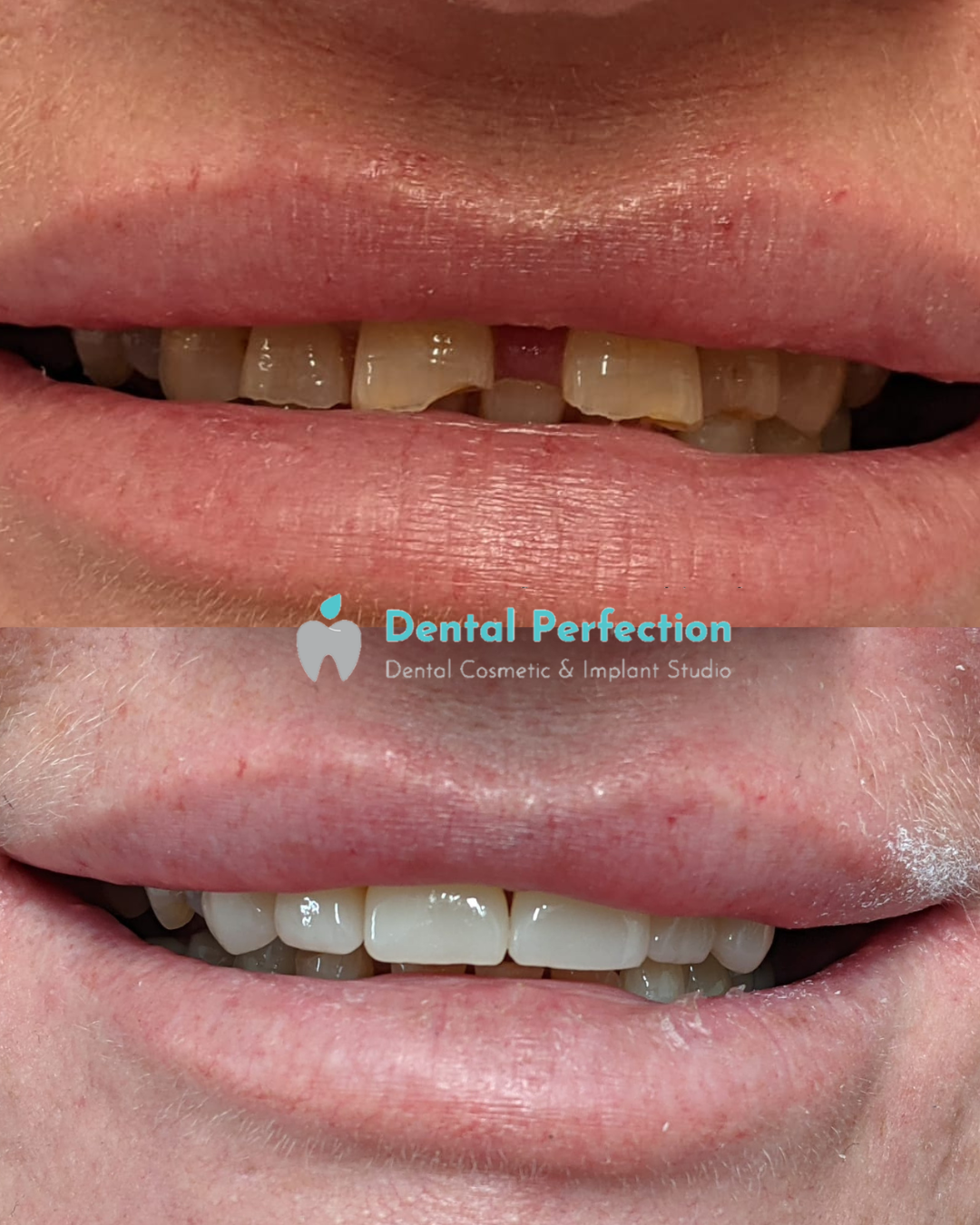
Designed around your tooth and treatment needs.
What Is a Dental Crown? And Could It Help Your Smile?
When a tooth becomes damaged or weakened, a dental crown may help restore its shape, strength and appearance. It is designed to fit over the visible part of a tooth, helping protect it while bringing your smile back into balance.
A crown is a custom-made covering that fits over a prepared tooth. Depending on your needs, it can help protect a tooth that would otherwise be vulnerable to further damage. Your dentist will assess the tooth and discuss the most appropriate option for you.
Help Protect Weakened Teeth
A crown may help support a tooth that has been weakened by damage, decay or a large filling.
Restore Shape and Appearance
Crowns can be made to complement the shape and colour of your surrounding teeth.
Improve Everyday Function
When suitable, a crown can help restore the tooth's function for biting and chewing.
Choosing the Right Dental Crown
Dental crowns can be made from different materials, each with its own characteristics. The right choice depends on the tooth being restored, your bite, your preferences and your dentist's clinical recommendation.
All-Ceramic Crowns
Made from ceramic materials, these crowns can offer a natural-looking finish that blends with surrounding teeth. They may be considered where appearance is an important factor.
- Can be matched to your natural tooth shade
- No metal framework in an all-ceramic crown
- May be suitable for selected front or back teeth
Porcelain-Fused-to-Metal
These crowns combine a metal base with a porcelain outer layer. They have traditionally been used to combine strength with a tooth-coloured appearance.
- Combines a metal framework with porcelain
- Can provide a tooth-coloured outer surface
- Suitability depends on the tooth and your needs
Metal Crowns
Crowns made from metal alloys can be highly durable and may be considered for teeth that experience substantial chewing forces, depending on the clinical situation.
- Known for their durability
- Can withstand significant chewing forces
- Metallic appearance may not suit every preference
Which crown is best for you? The materials available and the most suitable option will depend on your individual assessment. Your dentist can explain the advantages, limitations and costs before you decide.
Not sure which option is right for you?
Get in touch with our team to discuss your next steps.
When Might You Need a Dental Crown?
Teeth can become weakened or damaged for different reasons. Depending on the condition of your tooth, a crown may help restore its structure, protect it and improve its appearance.
Cracked or Damaged Teeth
A tooth that has cracked or lost a significant amount of structure may need extra support. After an examination, your dentist can assess whether a crown is suitable.
Large or Worn Fillings
Teeth with large fillings can sometimes have less natural tooth structure remaining. A crown may be considered if the tooth needs additional protection.
After Root Canal Treatment
Some teeth may be more vulnerable to fracture after root canal treatment. A crown may be recommended to help protect the remaining tooth structure where appropriate.
Shape or Appearance Concerns
A crown may sometimes improve the shape, colour or overall appearance of a tooth. Your dentist will discuss whether a crown or a more conservative option is appropriate.
Every tooth is different
A crown is not always the only solution. Your dentist will examine the tooth and explain suitable options, which may include a filling, an onlay or another type of restoration.
What Happens During Crown Treatment?
Knowing what to expect can make your treatment feel much more straightforward. Your dentist will explain your options and tailor the process to your individual needs.
Consultation and Assessment
Your dentist examines the tooth, discusses your concerns and explains whether a crown may be suitable. Any appropriate treatment options will be discussed with you.
Preparing the Tooth
If a crown is recommended, the tooth is carefully prepared so the restoration can fit correctly. Local anaesthetic may be used to help keep you comfortable during the procedure.
Impressions or Digital Scans
Impressions or a digital scan may be taken to help create a crown shaped to fit your tooth and bite. A temporary crown may be fitted while your final restoration is being made.
Fitting Your Final Crown
Once your crown is ready, your dentist checks its fit, appearance and bite before securing it in place, where appropriate. You'll receive advice on caring for your restored tooth.
Your treatment, your pace. The exact process and number of appointments depend on your tooth, the type of crown and your individual treatment plan.
How to Care for Your Dental Crown
A dental crown needs the same consistent care as your natural teeth. A good daily routine can help protect the crown and the tooth underneath it.
Brush Twice a Day
Brush gently twice daily with fluoride toothpaste. Pay particular attention to the gumline around your crown, where plaque can collect.
Clean Between Your Teeth
Use floss or interdental brushes suitable for your teeth to help remove plaque and food debris from between your teeth and around the crown.
Be Mindful of Hard Foods
Avoid biting down on very hard items such as ice or hard sweets. If you grind or clench your teeth, ask your dentist whether extra protection may help.
Attend Dental Check-Ups
Regular dental check-ups allow your dentist to monitor the crown, the surrounding gums and the health of the underlying tooth.
Notice a change? Get it checked.
If your crown feels loose, chips, becomes uncomfortable or your bite suddenly feels different, contact your dental practice for advice. Don't try to glue a loose crown back in place yourself.
Let's Talk About Your Dental Crown Options
Have a damaged tooth, a large filling or concerns about a weakened tooth? Send us an enquiry and our friendly team will help you understand the next steps towards restoring and protecting your smile.
Take the First Step Towards a Stronger Smile
We understand that dental concerns can be worrying, particularly when a tooth is damaged or uncomfortable. We're here to help you explore your options and feel more confident about seeking care.
Discuss Your Dental Concerns
Tell us about a cracked tooth, a large filling or a tooth you feel may need extra support.
Explore Suitable Treatment Options
A dentist can assess your tooth and explain whether a crown or another type of restoration may be appropriate.
Ask Questions Without Pressure
Making an enquiry doesn't commit you to treatment. Take the time you need to understand your options.
Feeling nervous about dental treatment? Let us know in your message. We're happy to discuss your concerns and help you understand what to expect.
Please seek urgent dental advice rather than waiting for a response to an online enquiry.
Enquire About Dental Crowns
Complete the form below and our team will be in touch.
Please avoid including unnecessary sensitive medical information in your initial enquiry.
Dental Crown FAQs
Considering a dental crown? Find answers to some of the questions patients commonly ask before starting treatment.
Thinking about a crown?
Every smile is different. Our team can help you understand the next steps and arrange a consultation to discuss your options.
Ask Our Team No pressure or obligation.What is a dental crown?
A dental crown is a custom-made restoration that covers a tooth to help restore its shape, strength and appearance. It may be recommended for a weakened, damaged or heavily restored tooth, depending on your individual needs.
Does having a dental crown hurt?
Local anaesthetic is commonly used during tooth preparation to help keep you comfortable. You may experience some sensitivity afterwards, but your dentist can explain what to expect and how to manage any discomfort.
How long does a dental crown last?
Crowns can last for many years, but their lifespan varies depending on the material, your bite, oral hygiene and everyday habits. Regular check-ups and good cleaning habits can help maintain your crown.
How many appointments will I need?
Crown treatment often involves preparing the tooth and taking impressions or scans, followed by fitting the final crown. The number of appointments depends on your treatment plan and the type of crown being provided.
Will my crown look like a natural tooth?
Many crowns are designed to blend with the surrounding teeth. The material, shade and shape can be discussed with your dentist so the restoration suits your smile and clinical needs.
Can a crown be fitted to any damaged tooth?
Not always. Your dentist will assess how much healthy tooth remains and check for problems such as decay or infection. Depending on the findings, a filling, onlay, crown or another treatment may be more appropriate.
What should I do if my crown feels loose?
Contact your dental practice promptly for advice. Avoid chewing on that side and do not try to glue the crown back yourself. If the crown comes off, keep it safe and ask your dentist what to do next.
How much does a dental crown cost?
The cost depends on the type of crown, the tooth being treated and whether any additional treatment is needed. An examination is the best way to establish which option is suitable and provide an accurate treatment plan and quotation.